The project
The data was already there. The offer wasn’t.
- Find out whether Worximity’s sensor data could become a preventive maintenance offer people would pay for.
- Understand two audiences who read the same data: plant maintenance directors and machine makers.
- Prototype both sides in a day, then prioritize.
One question to start
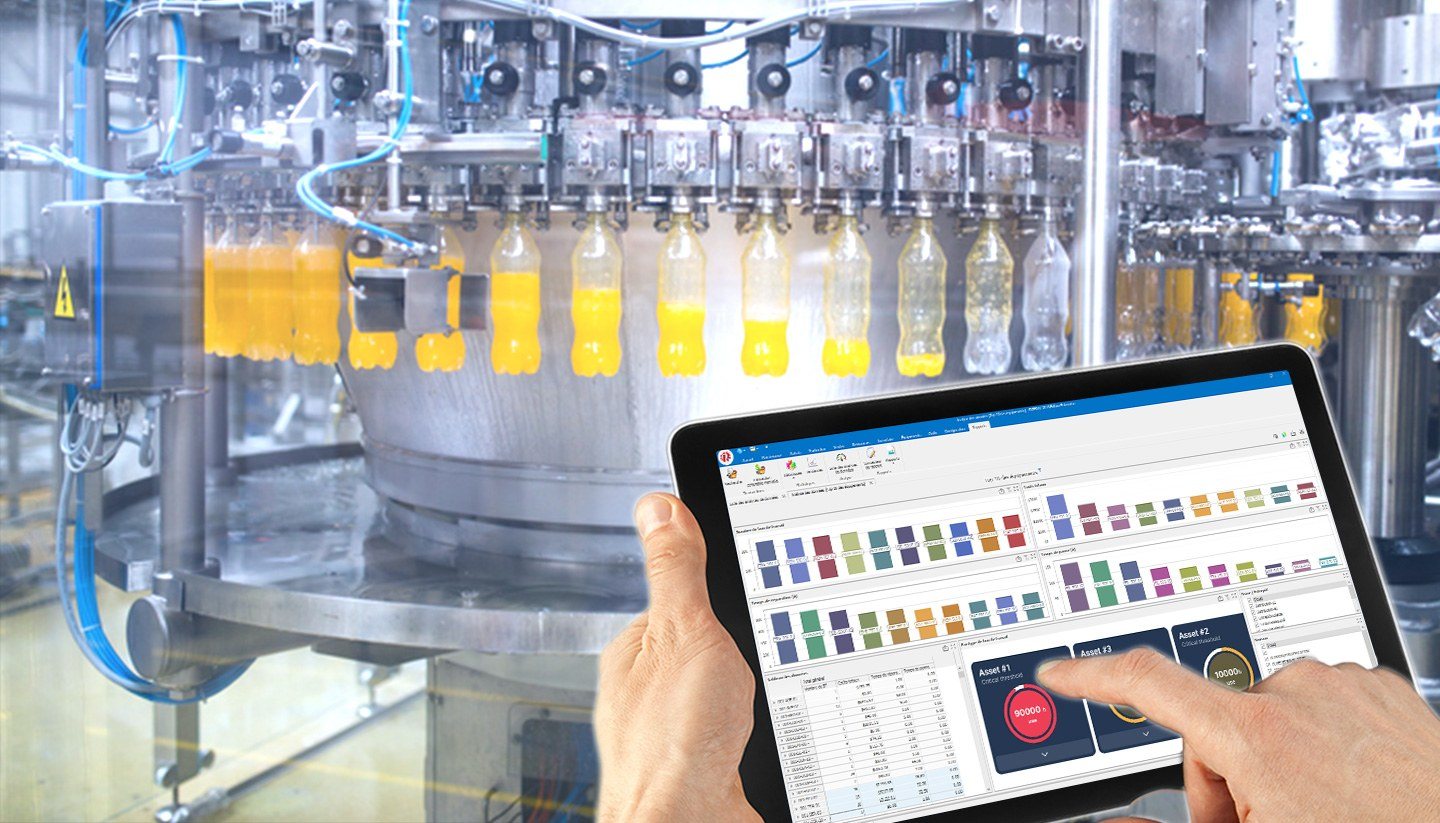
Worximity puts sensors on production lines and shows plants, live, how well they run. In 2022, its product team wanted to explore preventive maintenance. Many plants still fix machines after they break, which costs more than planned maintenance. The sensors already counted hours and cycles on every machine. The question was who would use that data, and what they would do with it.
A design sprint was the fastest way to find out: one week with the people who know the product, the customers and the sales, to decide, prototype and look at the result together.
How we did it
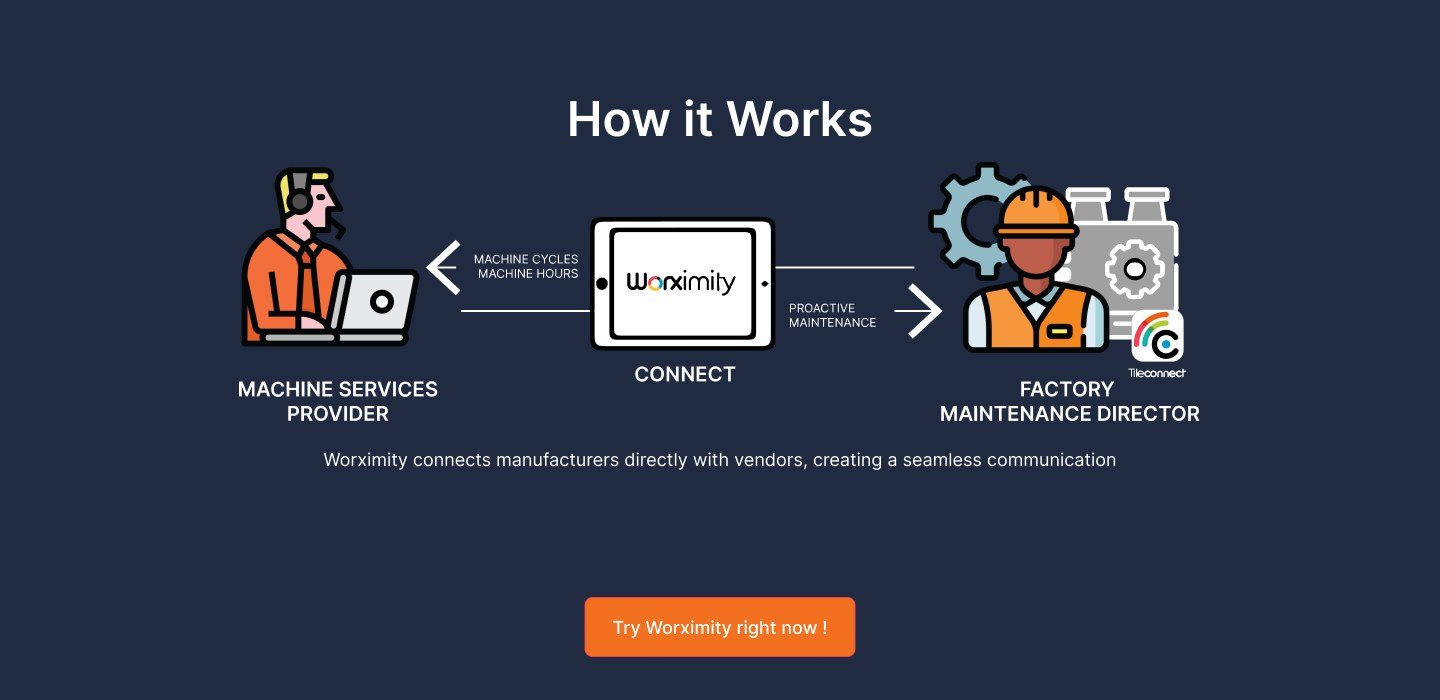
- Two sides of the same machine. The plant’s maintenance director wants to avoid breakdowns. The machine maker wants to sell service at the right time. Both read the same data.
- Everything started on paper. Every idea began as a sketch or a sticky note, and the strongest sketches became the screens of the prototype.
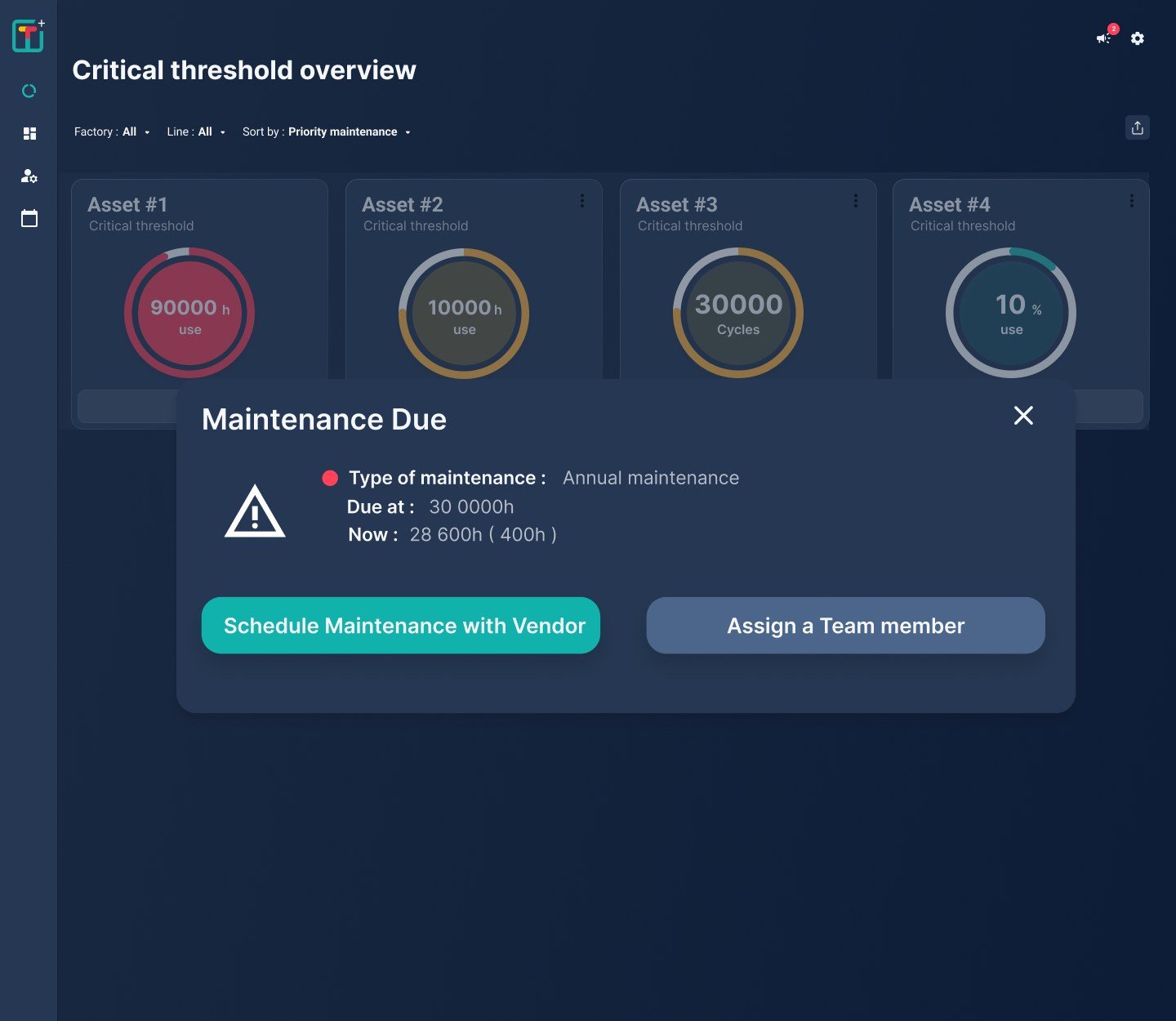
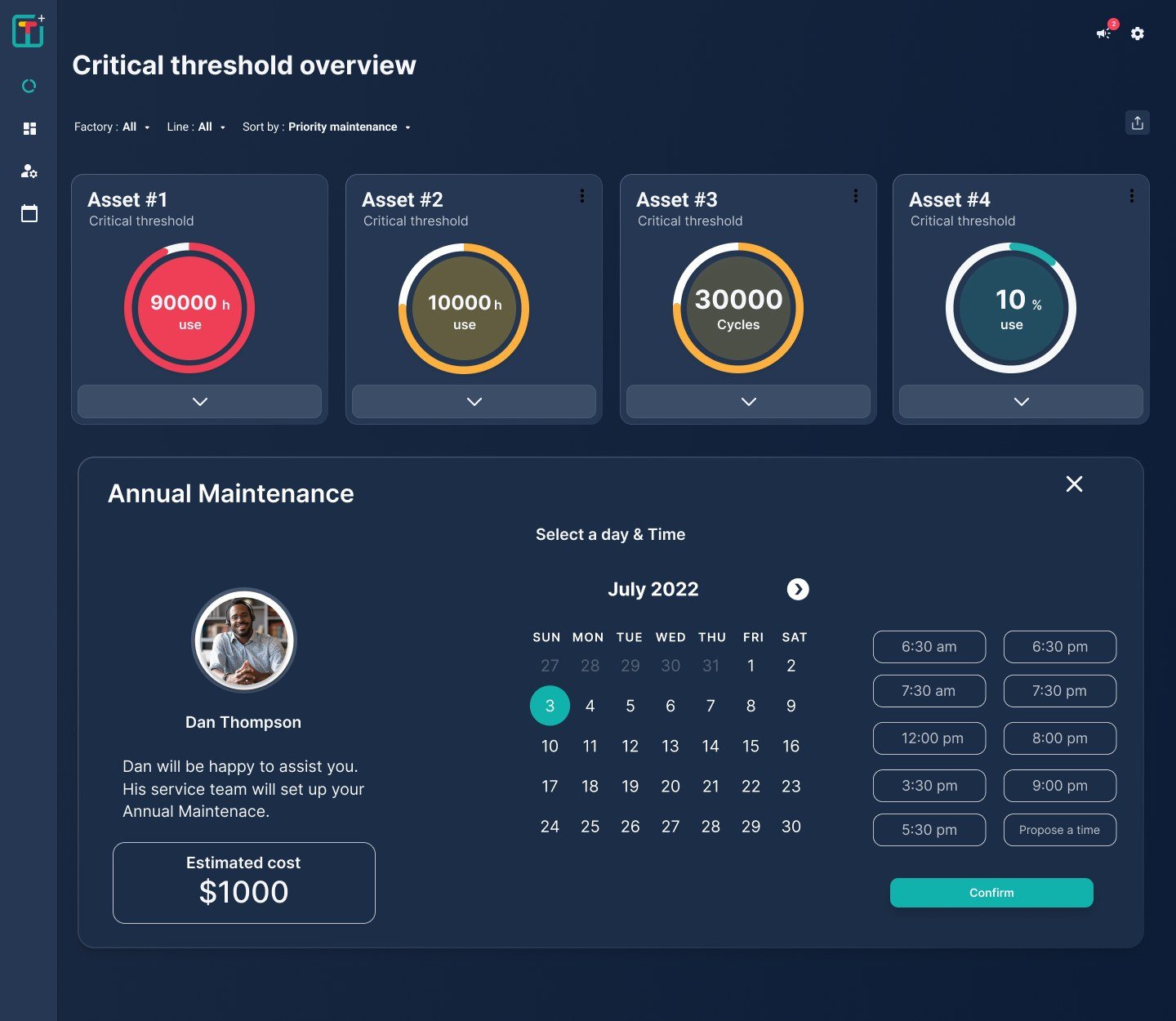
- A prototype per side. On day four, the team built two clickable prototypes: a maintenance dashboard for plants, and a sales tool for machine makers.
- Then, prioritize. After the sprint, what the team learned became a prioritized plan, delivered at the end of June. The whole Miro board was handed over to the team.
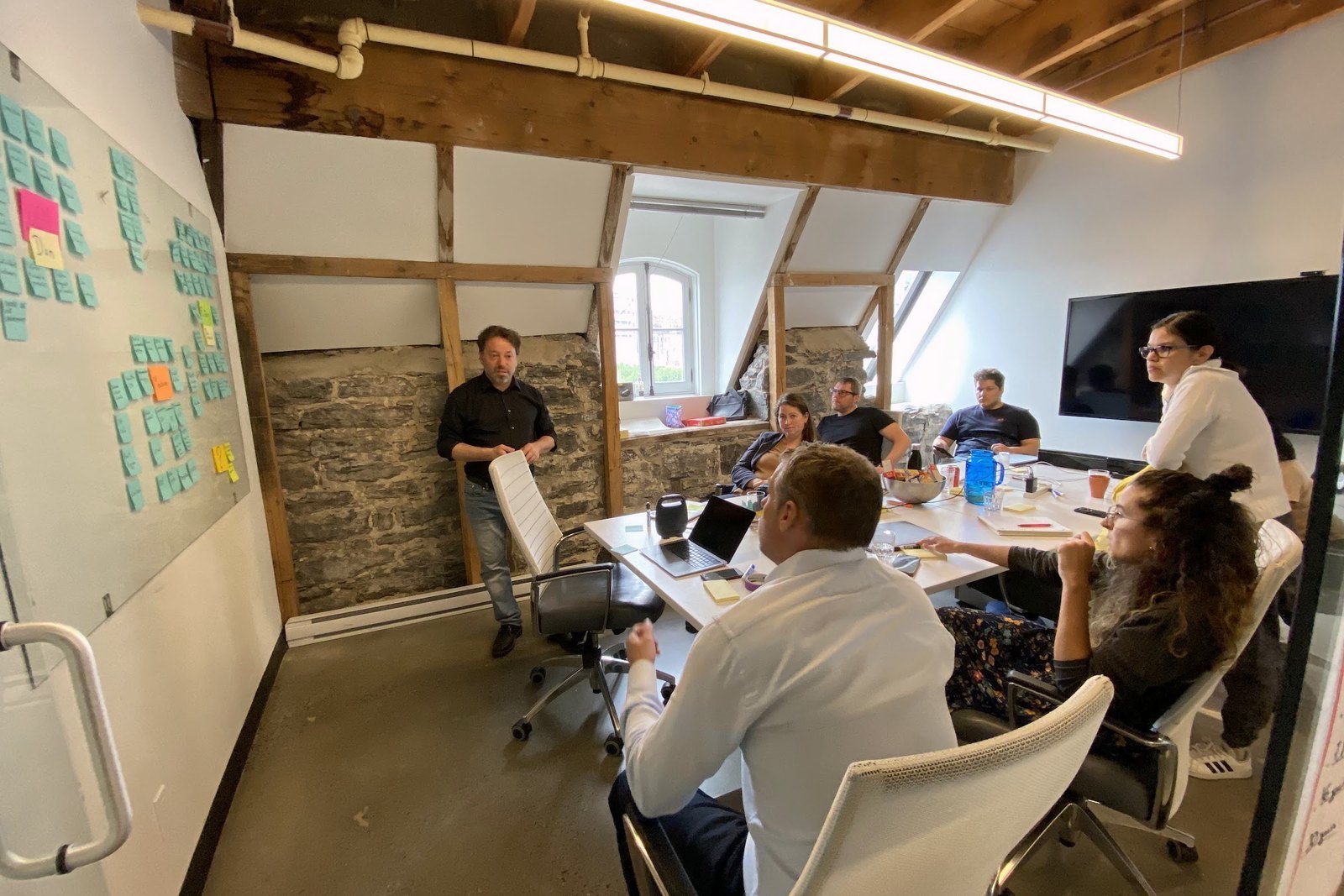
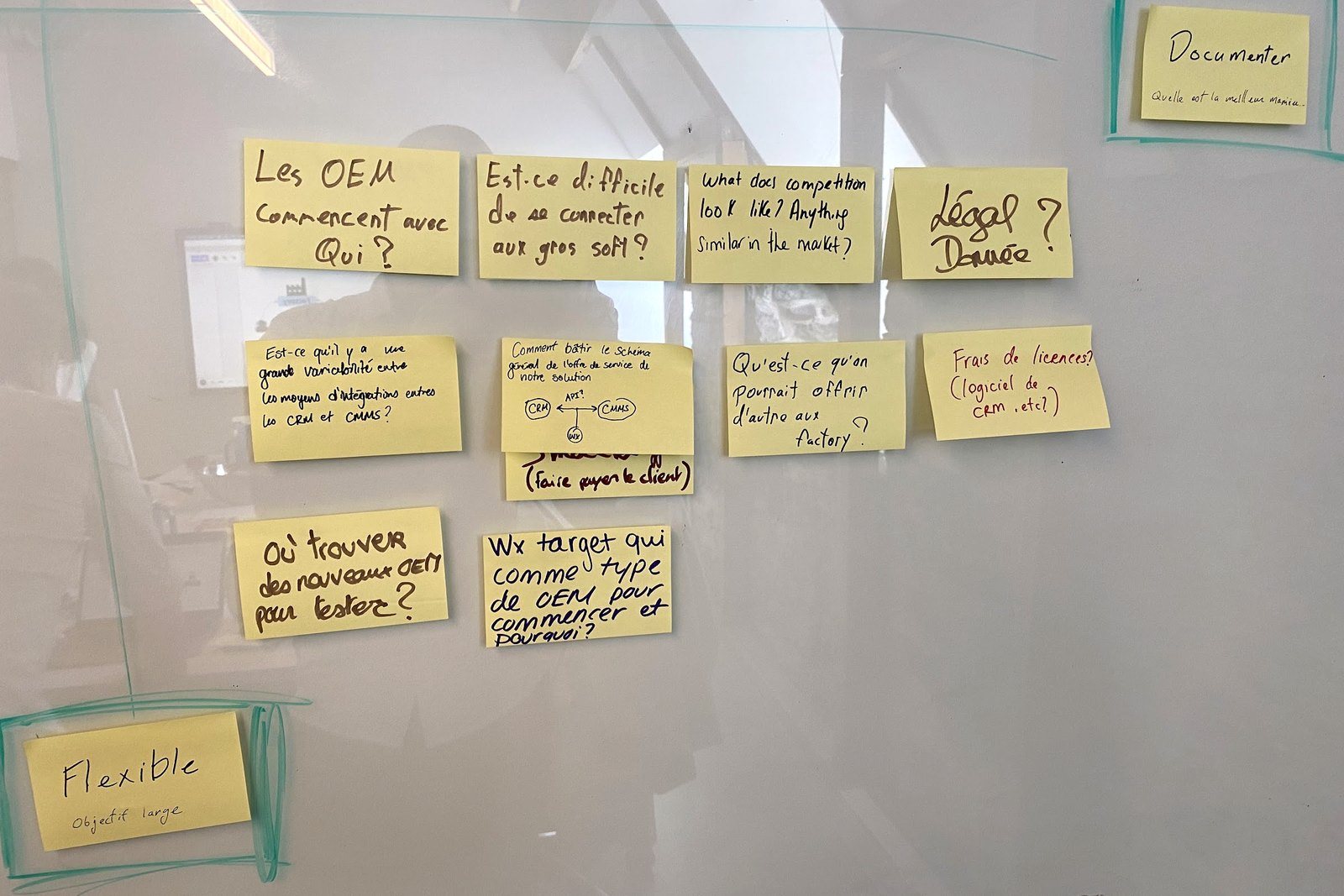
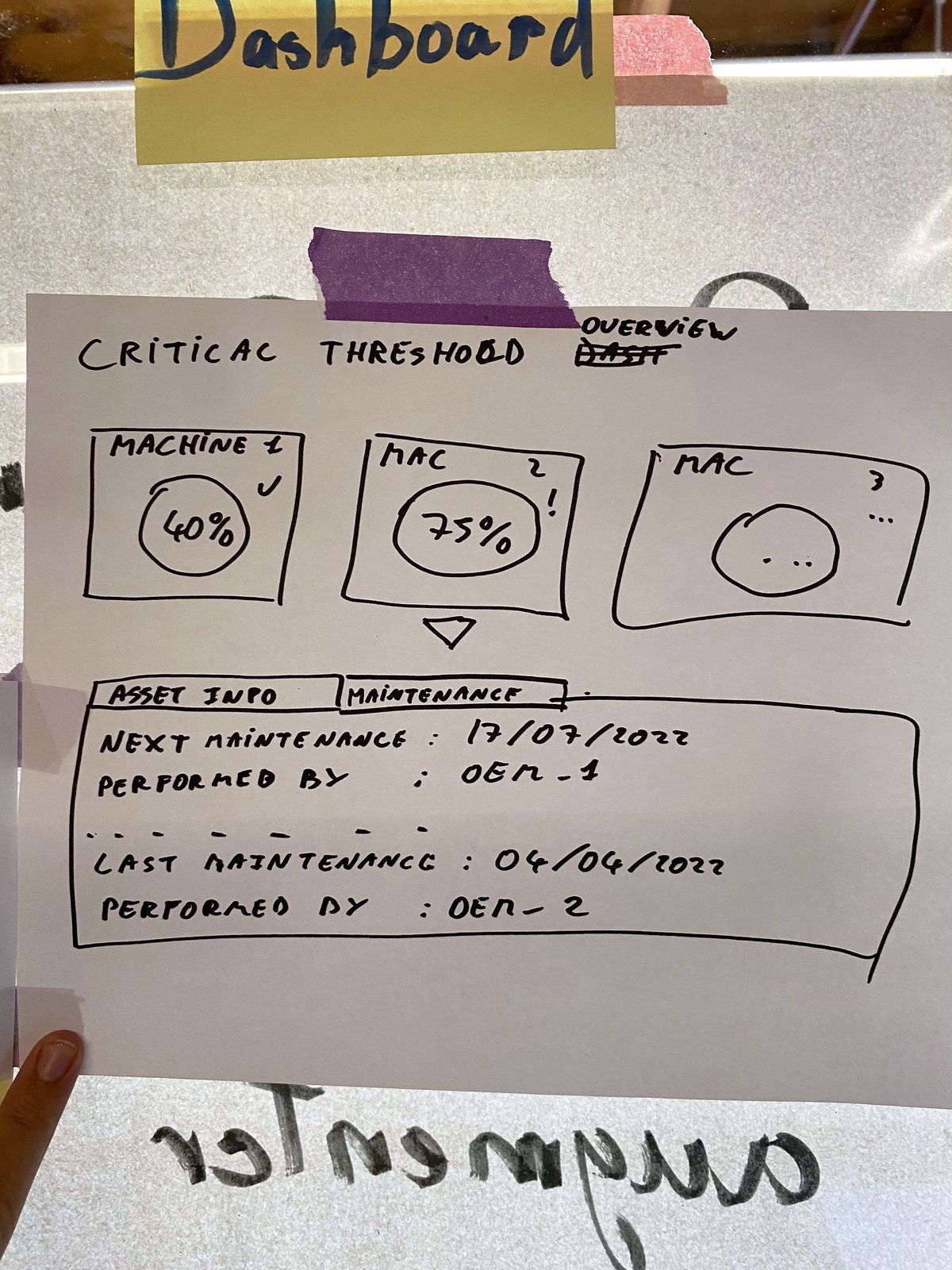
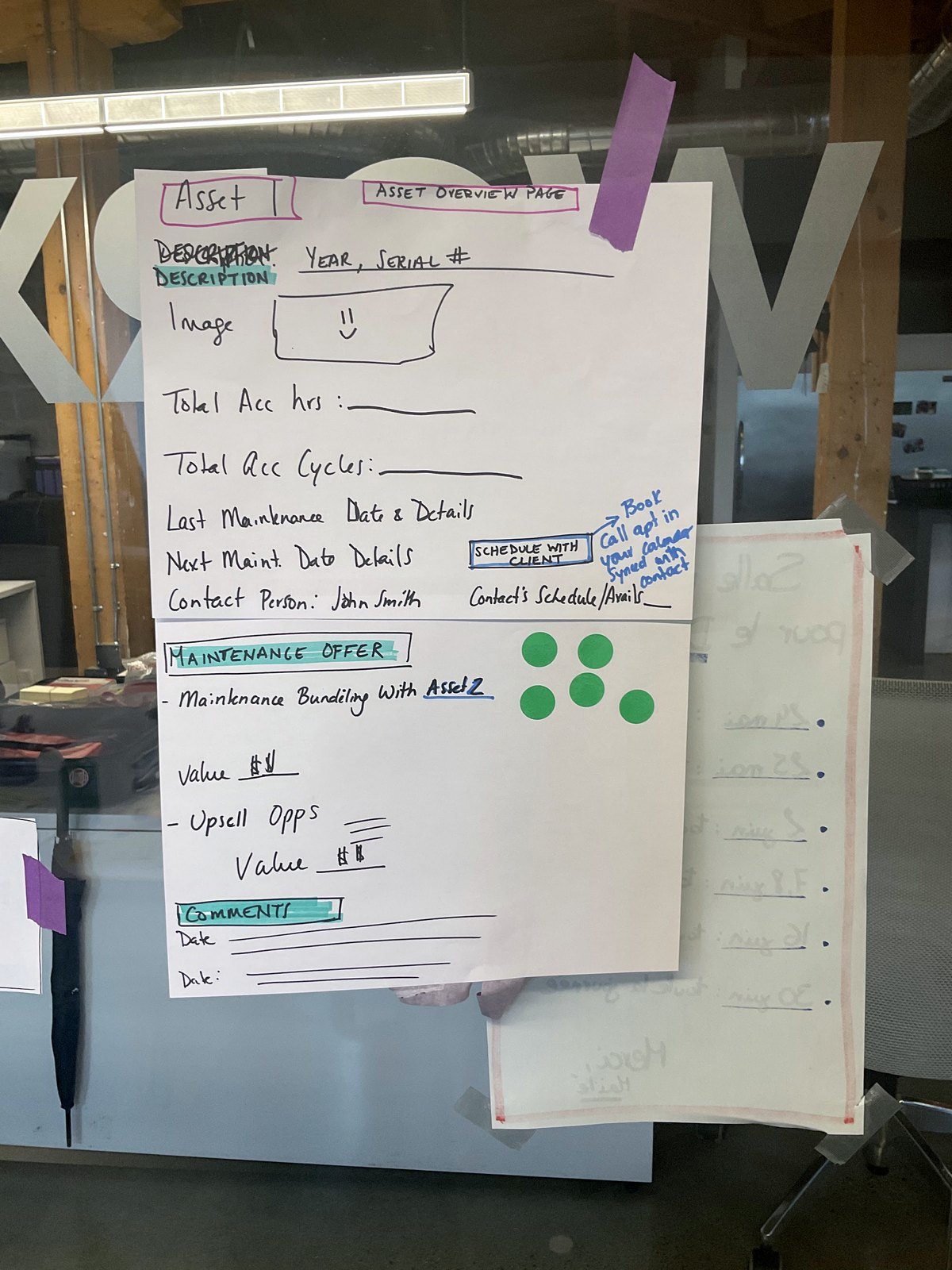
The sprint room, the questions sorted on the glass, and the dashboard on paper before it became the prototype.
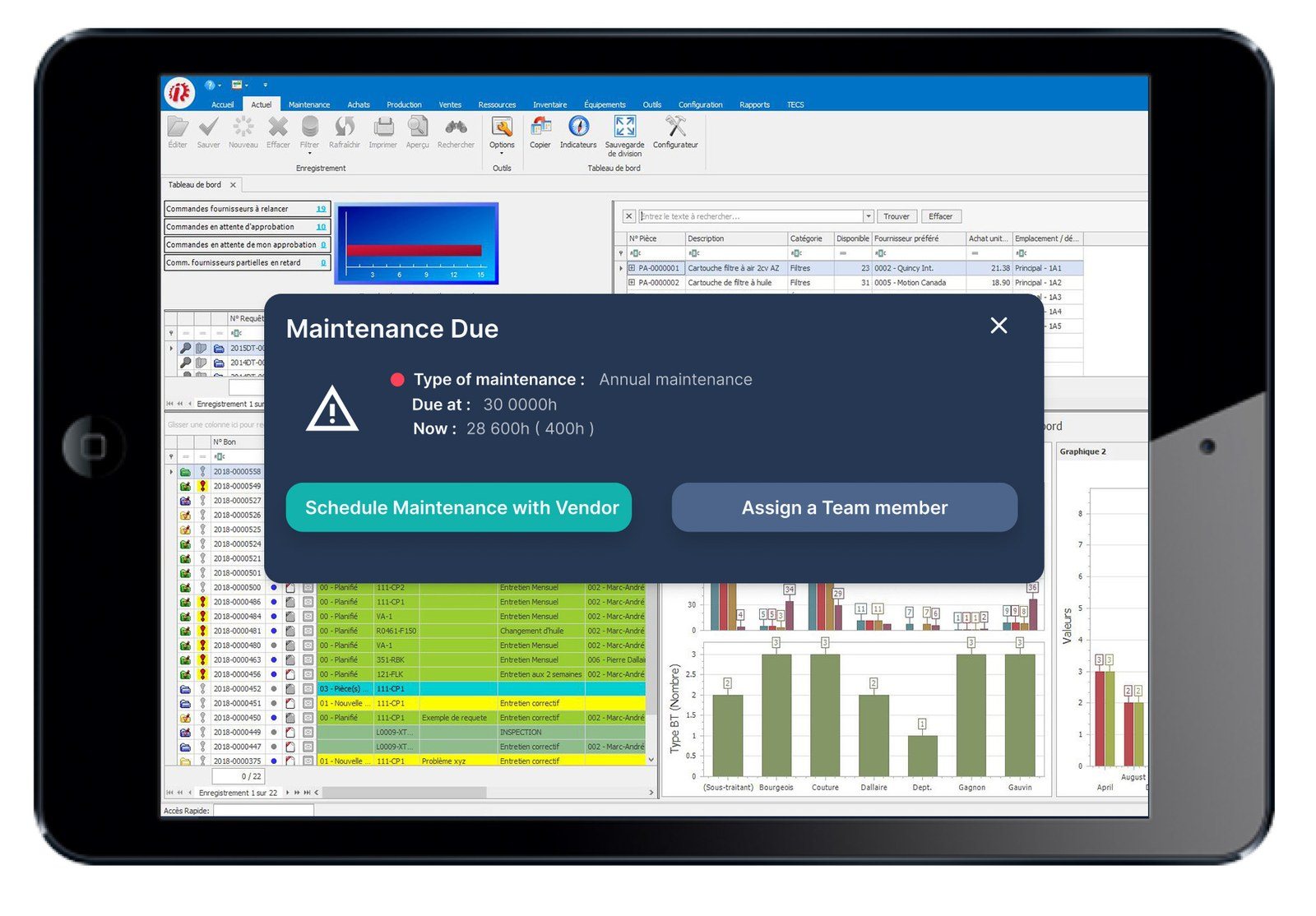
Prototype 1 · For plants: maintenance at your fingertips
For the maintenance director: see which machines are close to their limit, get an alert before it’s too late, and book the vendor’s technician directly, without a phone call.
Prototype 2 · For machine makers: the same data, as a sales tool
For the companies that build and service the machines: know which customer needs what, and when, from how their machines are really used.
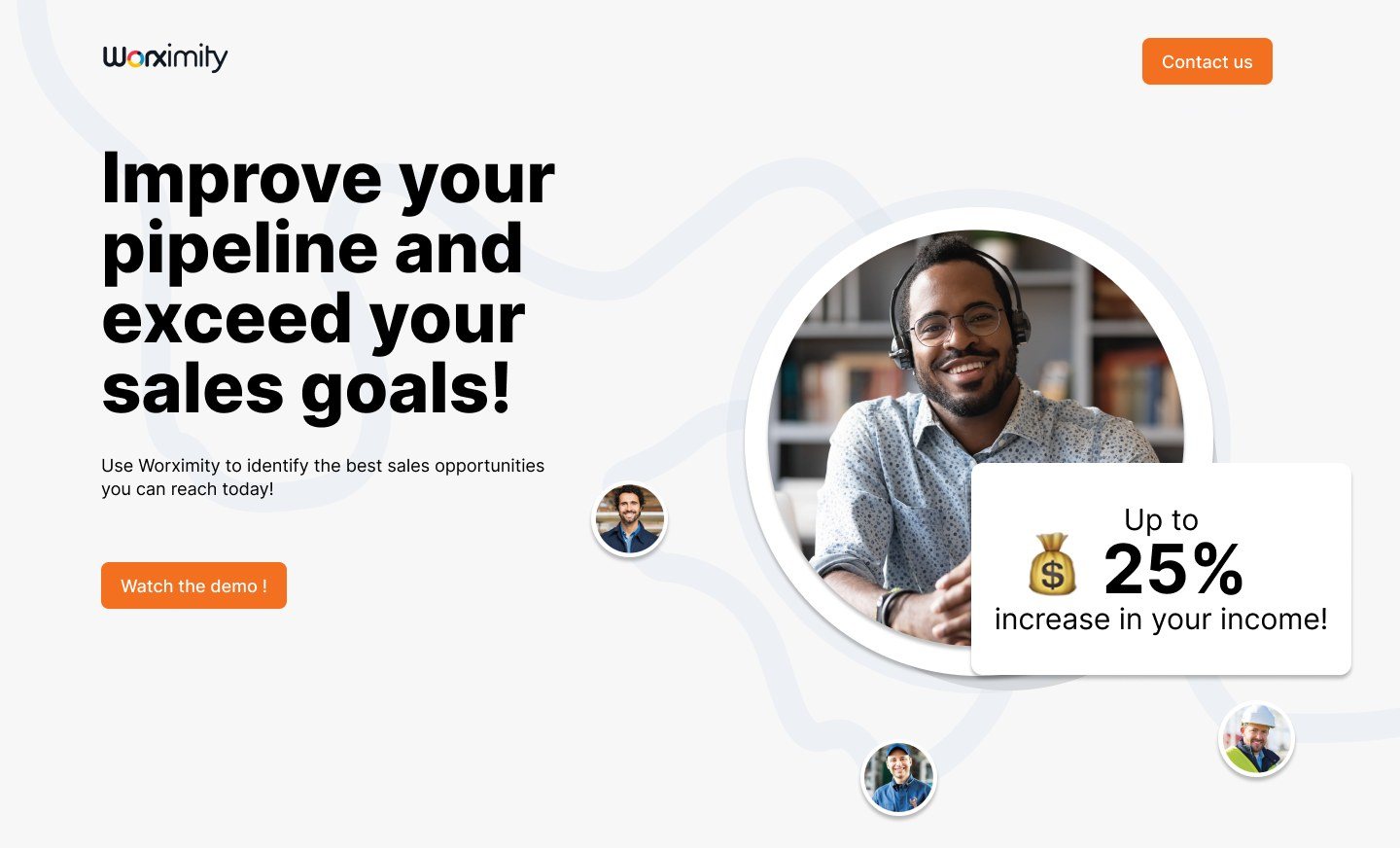
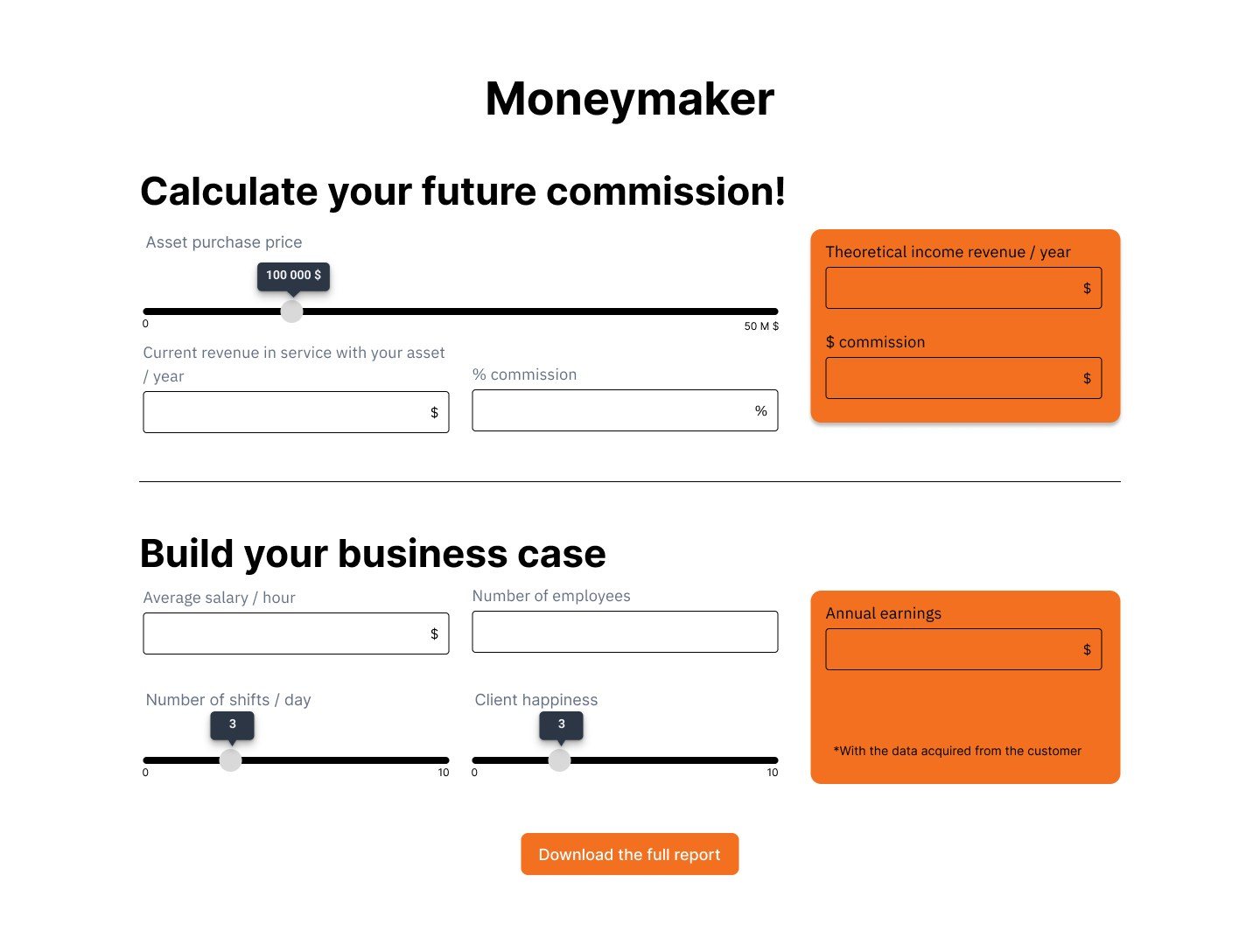
Prototype screens from the sprint. Names, figures and quotes in them were placeholders.
The other conclusion: no interface is the best interface
Plants and machine makers already juggle plenty of software. A new dashboard, however good, is one more login, one more training, one more tab nobody opens.
So the sprint also landed here: let the data travel to where people already work. APIs that connect Worximity to the tools each side already uses, maintenance software, CRM, calendar, email and text, so customers don’t have to learn new software, or pile up yet another one.
The result
Two prototypes, a prioritized plan, and the whole Miro board handed over so the team owned every sticky note. Eight weeks from proposal to roadmap.
The team. Design sprint facilitation and prototypes: Jean-Sébastien Daigle, &friends. Facilitation and prioritization: Éric Letarte, &friends. Client: Worximity.