The project
Redesigning a platform used by millions of visitors, without losing the teams behind it.
- Restructure the information architecture of a platform that had become fragmented over the years.
- Align more than 12 departments around a shared vision of the digital experience.
- Validate strategy and user journeys with prototypes, before a single line of code was written.
- Make the teams autonomous so they can evolve the platform after the mandate.
Aligning a whole organization, not just a website
Sépaq manages and promotes Québec’s national parks, wildlife reserves and a wide range of tourism establishments, from the Aquarium du Québec to regional lodges. Its digital platform is the front door for millions of visitors every year.
The initial request looked like a website redesign. The real challenge was elsewhere: a fragmented information architecture, departments working in isolation and a platform that no longer matched the strategy or visitors’ expectations.
Rebuilding the interface without realigning the organization would have reproduced the same silos, only prettier. So we worked on both fronts at once.
Our approach
The mandate started with a benchmark analysis of tourism and outdoor platforms: the most effective navigation patterns became the foundation of the new architecture.
We then mapped and restructured the entire information architecture to reduce friction across booking, discovery and purchase journeys.
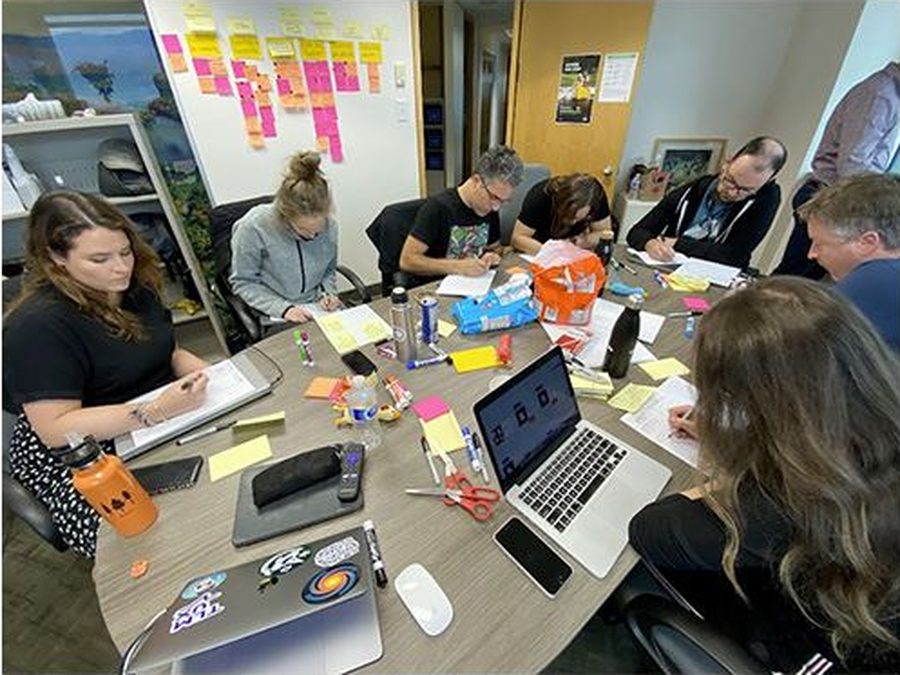
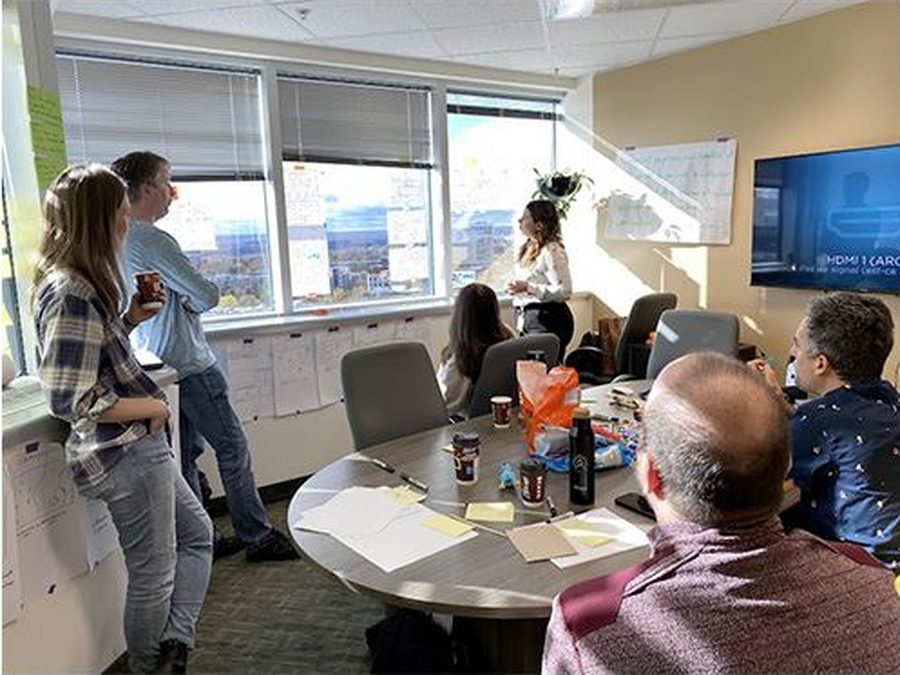
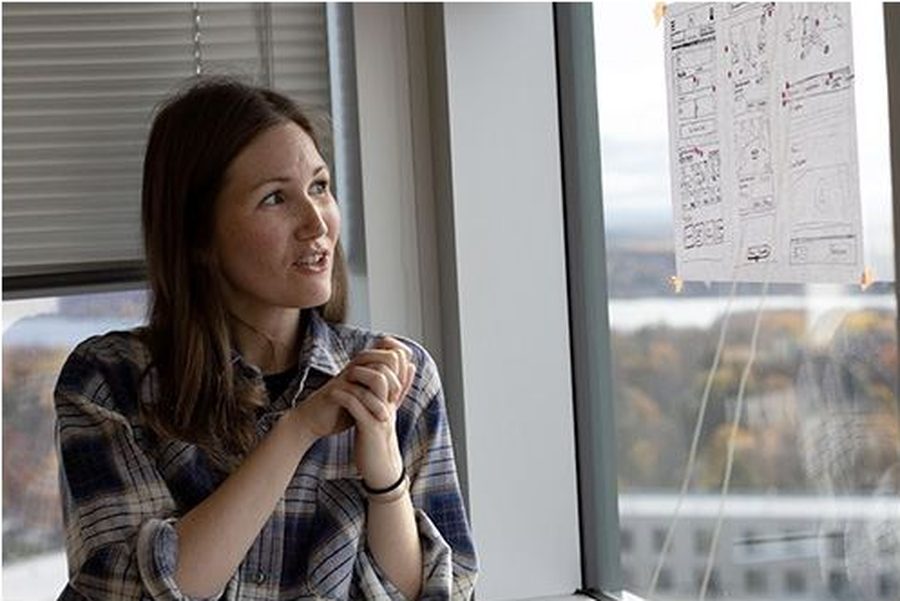
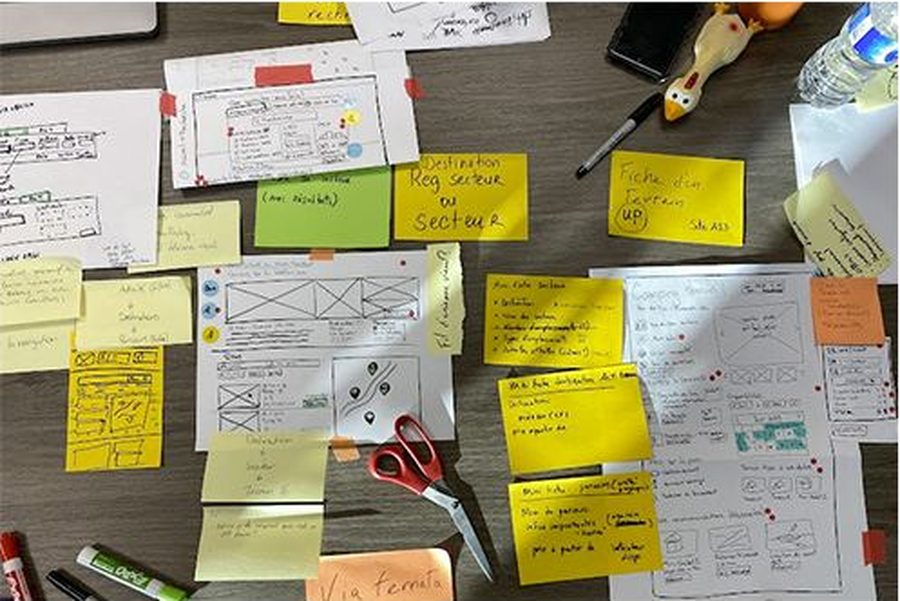
The heart of the project was a series of design sprints spread over a year, bringing more than 12 departments to the same table: marketing, reservations, park operations, technology, customer service. Every sprint ended with a tested prototype and decisions made together.
The prototypes validated the strategy and user journeys before development, avoiding costly rework later on.
The outcome
More than 12 teams aligned and autonomous, ready to own the platform and evolve it without us. A clear architecture, validated journeys and, above all, an organization that now speaks the same digital language.
The stakes, in numbers
Navigation isn’t decoration here: it’s the cash register. The parks were already beautiful. The website needed a hike. Sépaq annual report 2024–2025
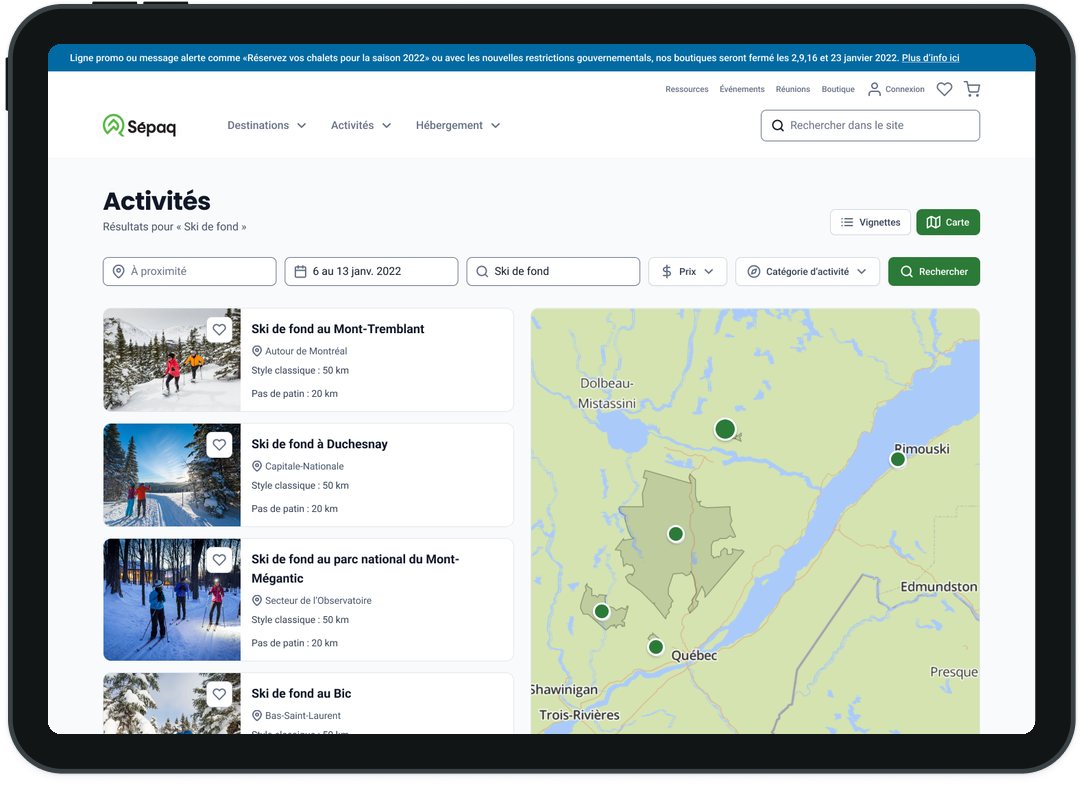
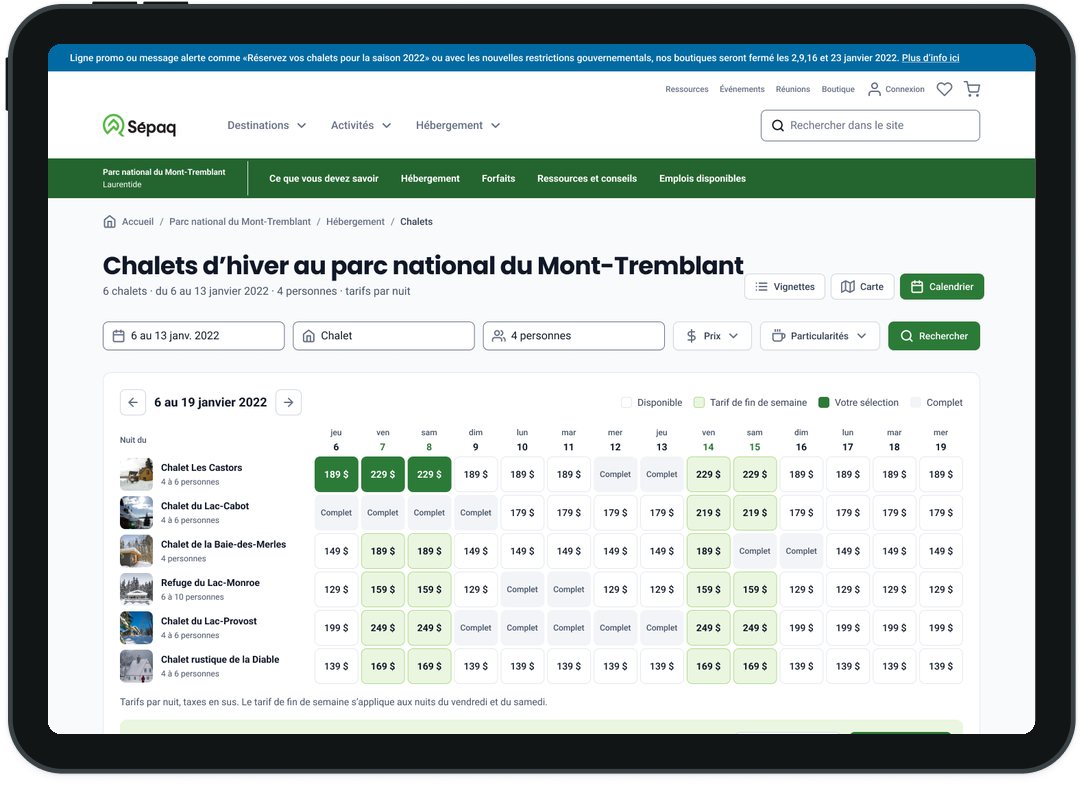
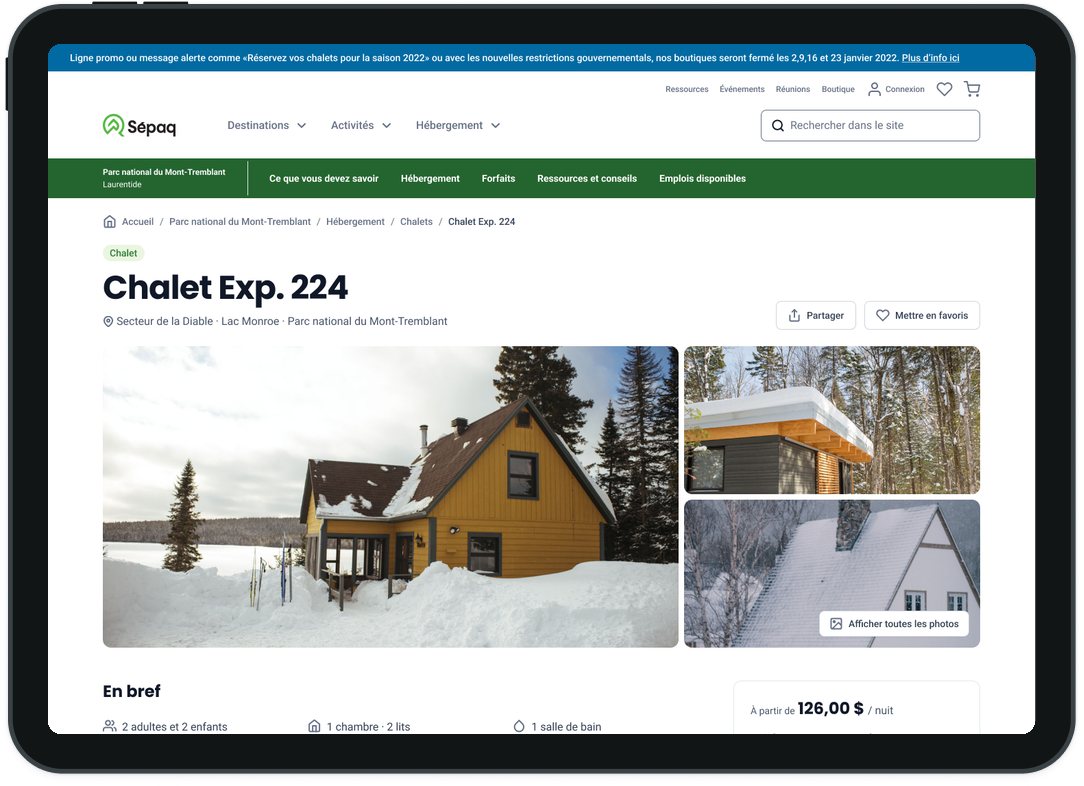
The prototype, screen by screen
These screens are a proof-of-concept prototype, not the live site. We built it straight from the new architecture to find where the value was and which features to develop next. People start from where they want to go, what they want to do or where they want to sleep. Every path ends on something they can book.
And after you book?
Once the public site had a structure, the next question was what happens after you book. Passes, reservations, payments and trip preparation were scattered across emails and PDFs. The customer space prototype brings them into one place, on the same architecture and the same components. It is a proof of concept too: its job was to show the value and to decide which features to develop next.
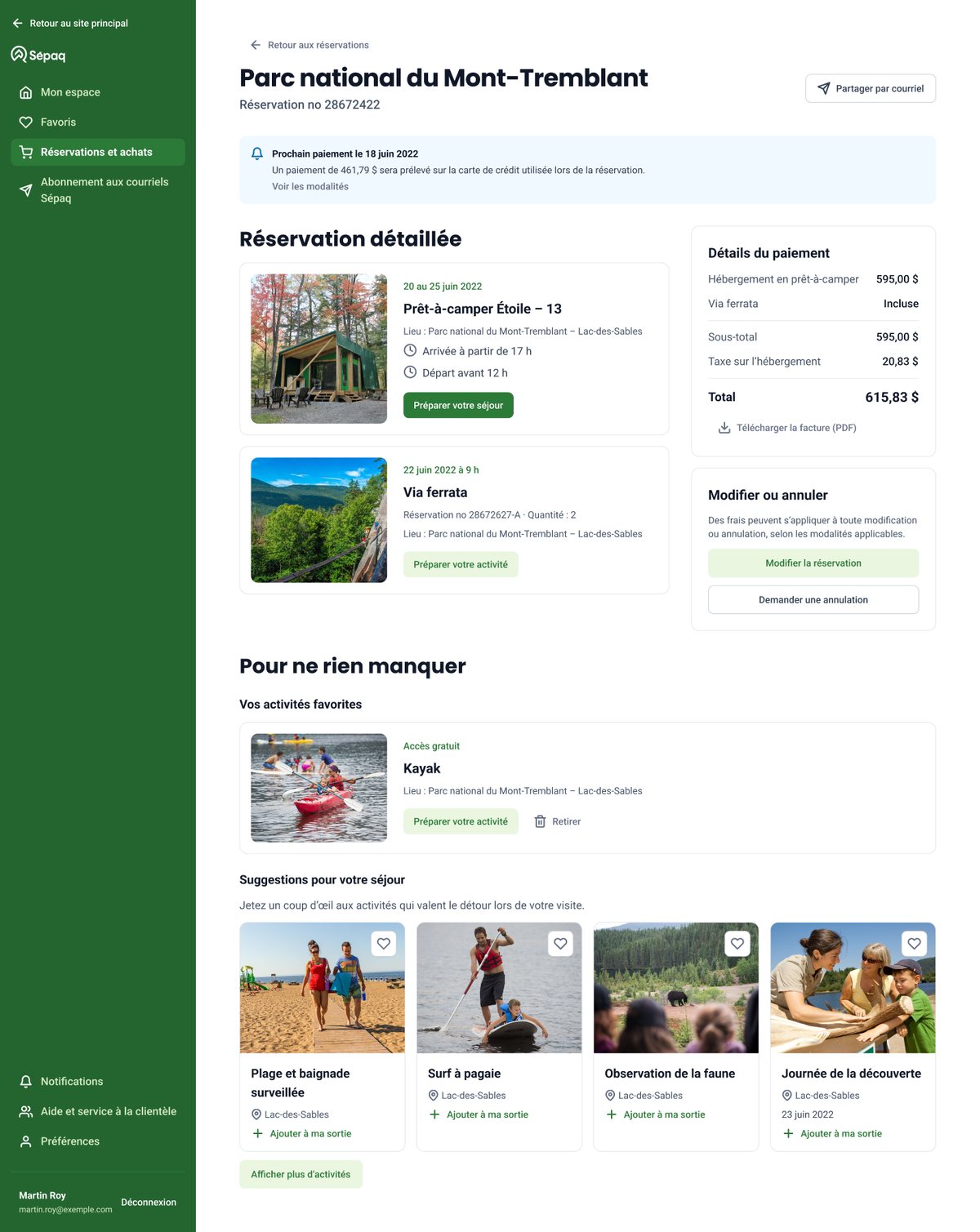
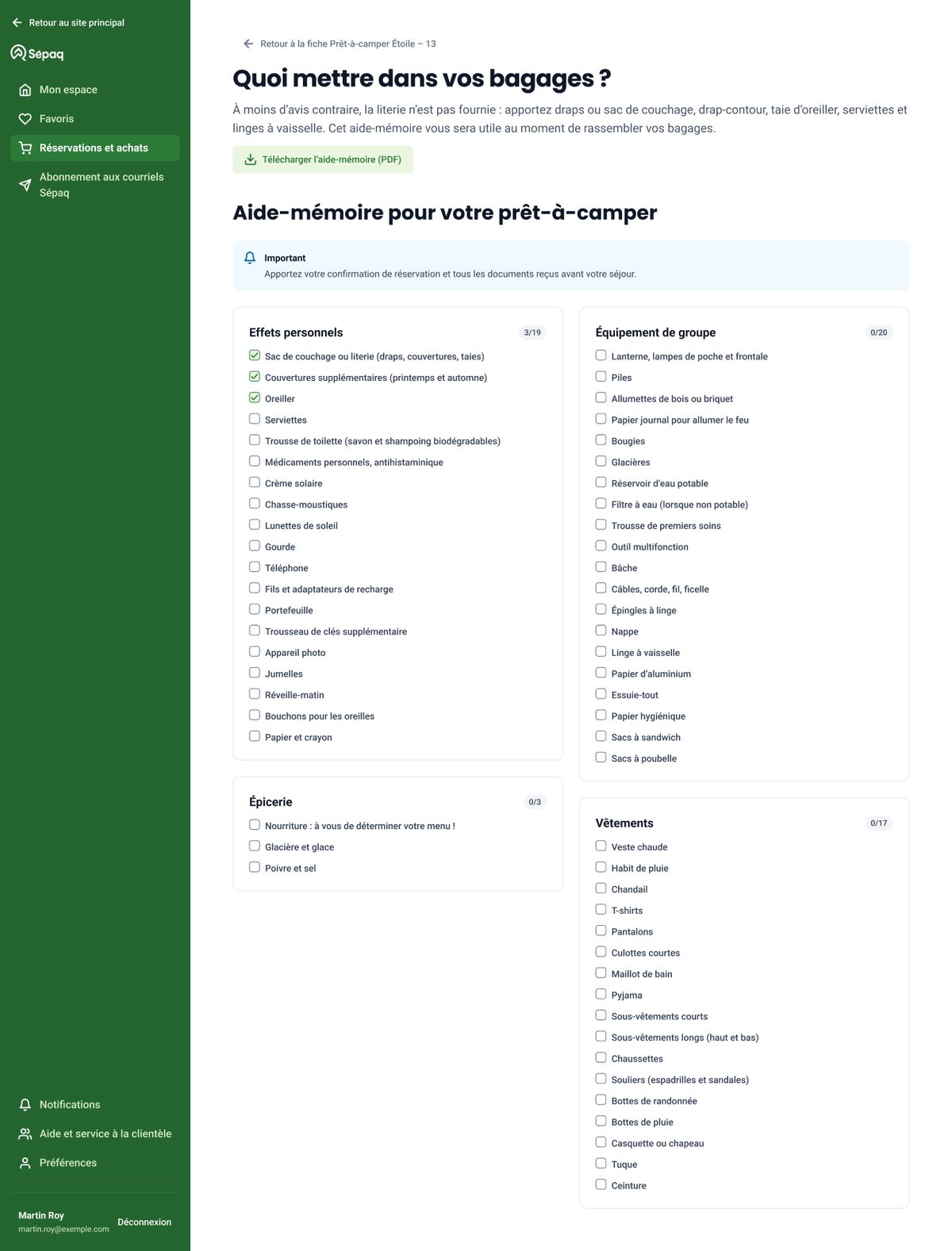
Proof-of-concept prototypes, not the live site. Names, dates and amounts are fictional.
What happened next
Sépaq is carrying on with the full rebuild of sepaq.com on its own: an informational and transactional site for its 46 establishments, with a customer account and content that adapts to each person’s profile, the same ideas as the customer space prototyped here. The project ran late, and the new site was not yet live as we write this, in the fall of 2026. Les Affaires, 2026
The team. UX design, prototyping and design sprints: Jean-Sébastien Daigle, &friends. UX research and information architecture: Éric Letarte, &friends. UX strategy and research: Domenico Micheletti. Design sprint co-facilitation: Stéphanie Lavoie, Sens du style. Client: Sépaq.